Tuesday, 19 April 2022

What To Consider When Buying A Dewatering Pump

A dewatering pump is an essential piece of equipment in any industry that needs to remove water from the ground, whether it’s an industrial or residential setting. When you need to properly dewater your property, choosing the right dewatering pump can be tricky. Here are some things to consider when purchasing your dewatering pump and dewatering pump supplier.

  • Things you need to know before buying your dewatering pump

What should you look for in your dewatering pump supplier? Dewatering pumps come in many shapes and sizes. You must choose one that matches your application and your site’s needs, but certain factors may be considered before making such an important decision. Among these considerations include Energy savings – In general, more energy-efficient pumps will help save on costs over time due to lower operational costs. The American Society of Civil Engineers estimates that energy costs can make up as much as 16% of total operating expenses for an industrial site. With so much at stake, it is essential to consider how efficiently you can get by with today’s pumps while saving money in terms of operation and maintenance costs as well.


  • What Kind of Pump Do I Need?

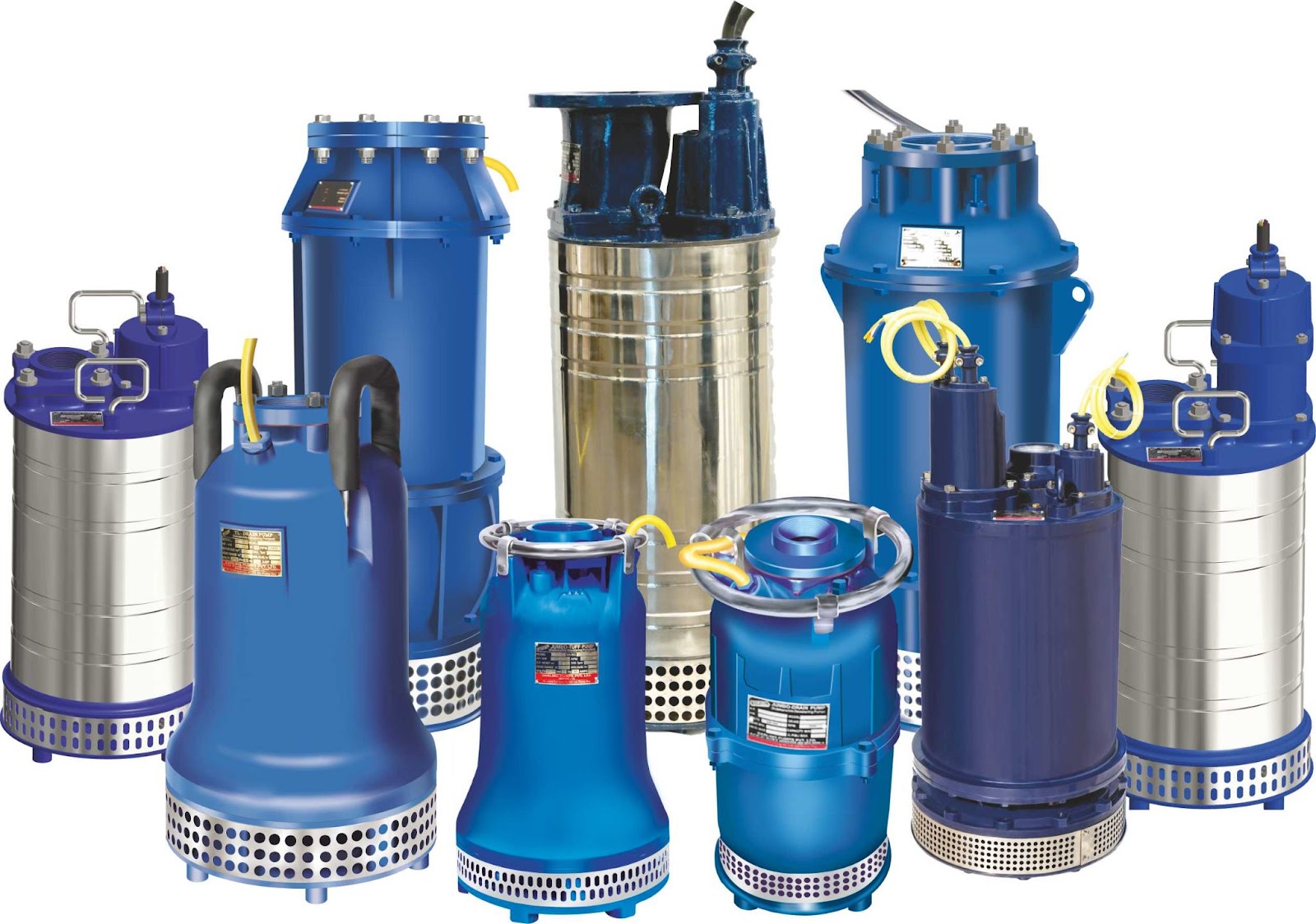
Submersible dewatering pumps are built to withstand harsh environments, but they also come in different varieties and sizes. For example, if you need a pump that can suck out water that’s more than 20 feet below ground level, you may want something more powerful than what you would typically find on a residential-grade piece of equipment. Large pumps like these can be used for agricultural or mining applications; small ones are designed for dewatering basements and attics.

  • Common Uses for Dewatering Pumps

To determine which pump you need, it’s important to know what type of application you’re looking for. Most pumps are designed for one of four applications: liquids with high solids concentration, liquids with low solids concentration, slurries and suspensions, and sludges. If your liquid is sandy or gritty or contains material such as oil or sand that requires additional filtering, then look into submersible dewatering pumps; they are specifically designed for these applications. Avoid using regular centrifugal pumps if you have abrasive materials—you’ll likely destroy them.


  • Pumps in Commercial Operations

It is recommended that you work with an experienced dewatering pump supplier that can not only guide you through your process but also has experience with other applications. If they don’t have experience with your particular application, they will likely be able to point you in the right direction. That said, if you’re working with a reliable and reputable company, there should be no reason for them not to assist you.


  • Residential Applications

There are numerous residential applications for dewatering pumps, including removing water from flooded basements or cleaning out sumps and septic tanks.


The above points are enough to choose the best dewatering pump for your requirement. If you want to know more about dewatering pumps, reach out to us.


Wednesday, 16 March 2022

Dewatering pumps for water removal in construction

If you’re involved in construction work and need to remove excess water from your site, you can always try traditional methods like buckets and wheelbarrows; however, they can be quite time-consuming and inefficient. Nowadays there are various dewatering techniques and solutions suggested by industry experts. To save time, money, and effort, there are dewatering pumps that can do the job faster and more efficiently than any other method of water removal! Let's read its advantages and how to select the best one for your usage.


Advantages of dewatering pumps-


The main advantage of renting dewatering pumps is that they are convenient. You don’t have to go out and buy a pump because you can just rent one when you need it and return it when you’re done. If you’re on a budget, a dewatering pump supplier can provide your best bet for these devices. Suppliers can also allow you to try out their products so you know how well they work.  


Depending on what kind of work you do in your business and whether or not it involves any water removal tasks, construction dewatering rental might end up being your most economical option over time. Since many home improvement stores only rent their equipment by hour or day instead of offering per diem rates like businesses do (and many won’t even let you purchase their tools outright), renting from an equipment rental store might end up saving money over time for certain types of jobs. Many rental companies even guarantee that if you pay a fee, you can use their dewatering pumps until your job is complete without paying another deposit. This ends up saving countless hours of manpower and allows people who want to get started quickly to concentrate on other parts of their project. It's worth looking into. 


Choosing the right pump-


Dewatering pumps for construction works are available in various sizes, specifications, and prices. When choosing a pump it is advisable to select one which can handle a large amount of liquid waste, as well as be able to do so with little effort. Pumps can be operated by hand or on electricity; while manual options will always be cheaper, they are not suitable if you need your machine to function consistently throughout a long period. In these cases, electric-powered equipment is recommended. Also, pay close attention to how well your pump disperses its flow: What you need is an even spread that reaches all areas equally—otherwise certain regions may remain submerged far longer than necessary. 


We are one of the best dewatering pumps suppliers in central India. If you are interested to buy or looking for rental services contact us today. 


Monday, 14 February 2022

Know why slurry pumps are the best choice

Slurry pumps are designed for pumping liquid containing solid particles. Slurry pumps help in the transportation of slurry i.e, unwanted solid particles from liquid. Slurry pumps are more robust than other pumps. 


These pumps are designed differently so that they can adjust to numerous types of slurry which vary in the concentration of solids, size of solid particles, the form of solid particles, and composition of the solution. Slurry pumps are the best choice in industrial use because of their components such as large impeller diameter, shafts, bearings, internal passageways which carry out all the slurry from the liquid. These pumps are heavy-duty pumps so they are used in construction as well. A slurry pump is widely used in other industries such as mining, power, chemical industry, etc.

List of advantages of using slurry pumps:

  • Slurry pumps are lightweight and easy to handle.

  • These pumps consume less energy and can reduce a lot of power consumption.

  • The slurry pumps are highly efficient, have suitable methods of lubrication and cooling design, and have low working temperatures.

  • Slurry pumps have a long working life due to their high abrasion resistance which improves productivity and working efficiency.

  • This type of pump only generates noise when slurries block the impeller or suction pipelines, otherwise, they do their job smoothly.


The above points are the reason to choose slurry pumps. There are more than five types of slurry pumps available in India such as heavy-duty, light-duty, vertical sump slurry pumps, submersible slurry pumps, etc. What kind of slurry pump you need depends on your requirements. 

Darling Pumps is a leading Indian manufacturer of slurry pumps for the last 35+ years. We provide a complete range of Submersible Slurry handling pumps, from regular slurry handling pumps to jacketed design submersible slurry pumps to cantilever slurry handling pumps. At darling pumps, we provide slurry pumps for industrial, mining, and municipal usage across the globe. 

If you are looking for the best quality and affordable range of slurry pumps, Reach out to us today.


Thursday, 20 January 2022

Knowing a Sewage Pump!


Are you curious about pumps like submersible sewage pumps, dewatering pumps, raw water pumps, etc? Well, that’s a good thing to be! And you’ve landed at the right place to satisfy that curiosity. 


In this blog, we are going to be sharing about sewage pumps in particular. We will be covering the basic topics like what are sewage pumps, types of sewage pumps, benefits of sewage pumps as well as the maintenance and repairs that this device comes along with. 


Let’s get started with the very basic question; What are sewage pumps? 


This pump is used for transferring sewage liquids as well as solids from one place to another. In general cases, with residential applications, the sewage includes soft solids that go up to 2″ in diameter. It is pumped from a sewage basin to a septic tank or a sewer system. When it comes to a sewage pump, you should know that it is installed at the lowest point of the given sewage basin.


As the submersible sewage pump is submerged almost all the time, it gets this name. These pumps can be manual, automatic, or even dual mode. 


Let’s move on to the types of sewage pumps that are out there:


  1. Effluent Pumps – These are the pumps that in most often cases, are used in a small on-site system. Designed to pump effluent, they have the effluent flowing out of a septic tank. 

  2. Solids Handling Pumps – Also called sewage ejector pumps, they are made to pump raw sewage. 

  3. Grinder Pumps – Much like a solid-handling pump, this one can also pump raw sewage. The difference is that this pump comes with rotating blades, just like garbage grinders. Before the sewage has pumped, these blades cut as well as grind the solids into small particles.


Now, let’s talk about maintenance and repairs: 


  1. Make sure that the ground fault circuit interrupter is working, if installed. 

  2. When removing the cover, remember that there are 3 common types of lids with different removal methods.

  3. Conduct an inspection of the pit for debris or silt. 

  4. Make sure to check the drain line from the pump until it meets the air gap and look for any signs that indicate holes, corrosion, leaks or damages.


When you think about the maintenance and repair tips, there can be many more. However, these should get you started! Keep researching and learning new things about your pumps to make better decisions as well as executions!  


Monday, 3 January 2022

How do Submersible Dewatering Pumps work?


It's crucial to learn how to use any piece of industrial equipment (or any form of equipment, for that matter) before you start using it. This will allow you to utilize and comprehend the equipment more successfully, while also keeping you safe. This is especially crucial for people who are unfamiliar with utilizing industrial equipment. We'd like to show you how a dewatering pump works now to assist you with your next project!


What is the Purpose of a Dewatering Pump?

Dewatering pumps are used in a wide range of sectors. Contractor Dewatering pumps are commonly found in mines, power plants, building sites, industrial mills, and waterfront properties. A dewatering pump does exactly what it says on the tin: it drains water from one place and delivers it to another. Your home, worksite, or business will be maintained dry and in good functioning order in this manner.


How Does It Work?

Simply put, a dewatering pump functions in the same way as any other pump. A dewatering pump, like a centrifugal pump, uses a bladed impeller to start and maintain water movement. Liquid enters the impeller eye, which is a tiny section of the impeller. The water flow is then collected and guided to a diffuser, which is a cone-shaped discharge nozzle. The velocity of the water is lowered, and the energy of the water flow is transformed throughout this process.


The short answer to this question is a dewatering pumps works most similar to a submersible waste water pump and can help remove wastewater from many areas at home or commercial sites. Darling Pumps offer a wide range of smart pumping solutions for purchase. 


The next time you’re starting a project or need water pumps for fluid removal, contact the Darling Pumps sales team for more information.


As a positive displacement pump manufacturer in India, we continuously endeavor to increase our pump basket to cater to a wide spectrum of industries and applications.


Our greatest asset is the application expertise gained in the last 35 years in providing smart pumping solutions to thousands of customers worldwide.


Tuesday, 14 December 2021

Every Water has a Unique Pumping Requirement!

 It is a known fact that when it comes to pumping water, the activity can get a little tricky. One needs to have extensive knowledge about what they are getting into. Without prior knowledge of this subject, there are many mistakes that can be committed and would even prove to be irreversible and highly damaging. Whether the person is going to deal with a dewatering pump, wet pit pump, or specifically even submersible wastewater pumps, he or she needs to know the basics at least. 


Let’s start with the theory that every water has different pumping requirements. If the person diving into this practice does not know even this basic fact, then he is doomed to fail at the very first step. This is because, if we look at an example where a person picks a wet pit pump and makes a decision of pumping raw water with it, then everything will fail. The process will not be successful and it will even end up damaging the pump. 


Now, the thing to ponder upon is why would anyone go for it, knowing that these are the circumstances they are heading for. Well, there are factors that influence people into becoming the victims of using the wrong water pump for the wrong water. Let’s have a look at these factors:


  1. The other water pump was cheaper than the appropriate one.

  2. The manufacturer forced me into getting this pump instead.

  3. This pump was easier to install as compared to the appropriate water pump. 

  4. There was a lack of the appropriate pump, so I brought this one instead.   

  5. The costs of maintaining this pump were lower than the maintenance cost of the appropriate water pump. 

  6. This pump was easily available as compared to the appropriate water pump.


There are countless persuading factors that falsely influence a person into buying the wrong kind of water pump. So, now the question is how does one avoid being fooled and manage to successfully get the right water pump for their type of requirements. 


As mentioned above, it all comes down to extensive knowledge about the water pumping processes before entering the market to buy one. However, it’s not always easy to understand these typical elements for a layman. This is when the experience, knowledge, skillset, and trustworthiness of a manufacturer come into the picture. 


Tuesday, 2 November 2021

Lookout For These Things While Buying a Water Pump

 A water pump is a hydraulic machine that works on the home or construction site to increase the overall mechanical energy of a liquid presented, in most cases water. In the present situation, installing a good quality water pump is a must to help move both hot and cold water in a system that is compact. Some of the places you would like to have a vertical wet pit pump are Hospitals, Schools, Construction Sites, Malls, Commercial Buildings, Farmhouses, etc. When buying a water pump, it is important to communicate first with the manufacturer and know some factors. Top water pump manufacturers in India are trying to develop submersible pumps, sewage pumps, and dewatering pumps that can pull out water from the deep recesses of the earth.

Rate of Water Flow:

If you want to know the rate of water flow, it is measured in liters per minute. While buying a pump for your site, this could be one of the important factors to look upon, to know what time the water tank is taking to get full. Ideally, for a home 100-200 liters per minute is sufficient power required for a pump. So, if you have a water tank of 1000 liters, a submersible pump can fill it up in about 5-10 minutes, depending on the quality of the pump you have chosen.

Size of the Inlet:

Most dewatering pumps have an inlet size between 1 to 6 inches but in some special certainties, it can be more. Centrifugal water pumps available in the market also operate in the same manner i.e. sucking in liquid from the inlet and discharging it through the outlet valve. In such cases, the bigger your inlet is, the more amount of water your installed pump is able to make it out and the faster it will do the job.

Maximum Head & Pressure:


This is perhaps the most crucial factor to consider while buying a water pump from the manufacturer or retailer. The maximum head of a pump should depend on the combination of suction height and pumping height. For example, if the maximum head of a pump is 40 meters then at 50 meters above the ground level, the rate of water flow is zero. So basically, if you are planning to buy a pump, always go for the pump which has a maximum head and more than the desired height of the distance between the ground and the water tank at your home or commercial site.

On the other hand, pressure is also an important factor to look at; a typical pump should have a pressure of 59 PSI If the maximum head is 50 meters and the pump is pretty good for household use.

Conclusion

So, we hope these three factors will ensure you are buying the right product that will work for a longer time.

If you want smart pumping solutions get in touch with the best Water Pump India manufacturer- DARLING PUMPS at +91 99819 92833 or drop an email at dpplin@darlingpumps.in